

The Challenge
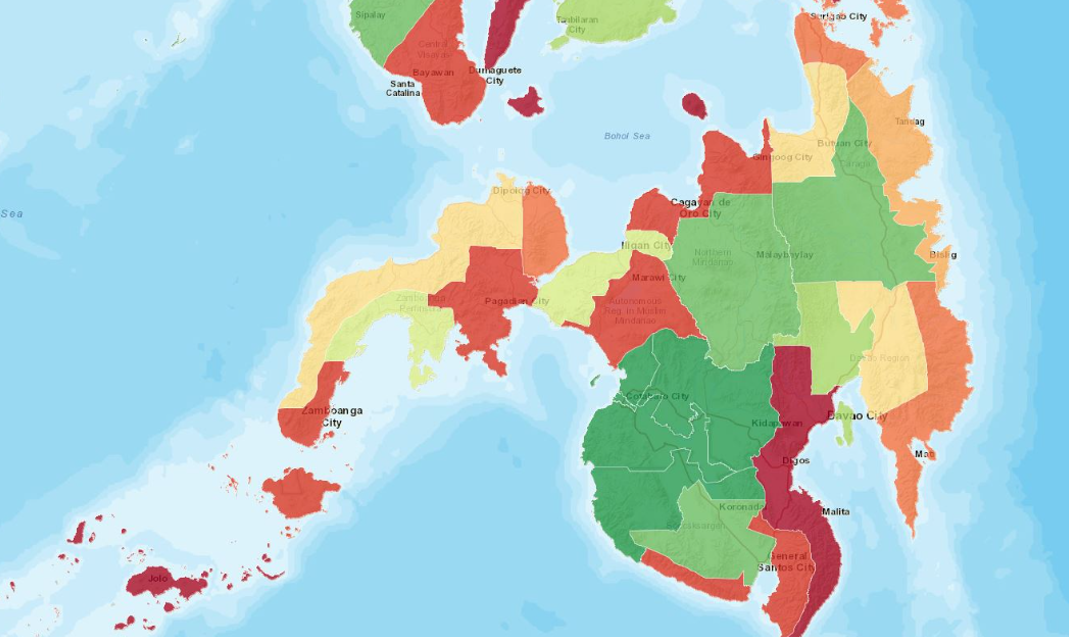
A region in Asia faced recurring spikes in improvised explosive device (IED) activity, creating instability and complicating policy responses. Geospatial Intelligence was engaged to determine the underlying drivers of these patterns and provide predictive analytics to guide decision‑making.
Scope
We analysed IED activity to uncover temporal and social drivers influencing terrorism patterns in the region, ultimately supporting evidence‑based prevention strategies.
Methodology
- We identified significant spikes in IED incidents occurring during July and December, aligning with the only two months when rice is not harvested in the area’s most volatile agricultural zones.
- By integrating multiple OSINT sources, our Analysts determined that terrorist groups in the region were not primarily motivated by ideology. Instead, grievances related to living conditions, unemployment, and group tensions played a larger role.
- Analysis showed that group membership often shifted with the agricultural cycle and living conditions. Individuals drifted in and out of groups depending on the ability to work during harvest seasons.
- These insights indicated that IED usage had a socio‑economic and political basis, rather than ideological extremism.
Outcome
We concluded that preventative government programs focusing on unemployed youth during non‑harvest months would likely have the greatest impact on reducing IED incidents. Socio‑economic hardship emerged as the leading driver of violence, highlighting the need for assistance in poverty and employment interventions. The ability to anticipate seasonal shifts in terrorism risk can enhance travel advisories, and guide the deployment of tourist, police, and military movements.